
Episode #148: Faith and Disability: Where Community Becomes Home (with Guest John Fela) – Part 2


Discover how faith and disability intersect as John Fela shares his journey of raising a non-verbal autistic son and finding a church community that truly welcomes all.
Disability ministry isn't just a program—it's the next big movement in the church.
The Water Prairie Chronicles Podcast airs new episodes every Friday!
Find the full directory at waterprairie.com/listen.
Show Notes:
Disability ministry isn’t just a program—it’s the next big movement in the church.
In this powerful conclusion to my interview with John Fela, author of Faith Like My Father, we dive deep into the intersection of faith, disability, and community. John shares his personal journey of coming to faith through the challenges of raising his son, Chris, who is non-verbal and autistic. We discuss the profound moment Chris surprised everyone with a response during prayer and the vital need for true inclusion in our churches. Whether you are a parent seeking hope or a church leader looking to welcome all families, this episode offers a roadmap for moving from “Don’t Panic” to finding a steadfast anchor in faith.
The key takeaway: True inclusion costs nothing—it starts with a heart to welcome every family.
Connect with John:
- Order his book: Faith Like My Father
- Visit his Website
Work with Tonya as an IEP Coach: If you’re looking for personalized support, a trusted partner, and expert guidance through the IEP process, I would be honored to be part of your team. Find more information about my IEP coaching services here: https://waterprairie.com/iepcoach
📰 Are you getting our newsletter? If not, subscribe at https://waterprairie.com/newsletter
👉 Support our podcast and help us share more incredible stories by making a donation at Buy Me A Coffee. Your contribution makes a significant impact in bringing these stories to light. Thank you for your support!
Music Used:
“LazyDay” by Audionautix is licensed under a Creative Commons Attribution 4.0 license. https://creativecommons.org/licenses/by/4.0/
Artist: http://audionautix.com/
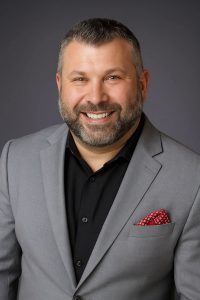
John Fela (M.Ed) is a national disability advocate, working with both faith based and secular disability organizations. He previously worked for Joni and Friends, a global disability ministry. He is a public speaker, blogger for a variety of disability advocacy platforms, and author of Faith Like My Father, a memoir of his journey as a parent of disability. John lives in Lyons, IL with his wife, Faith, and is father to his son Christopher (ASD/NV). Follow John on his website: www.johnfela.com
Episode #148: Faith and Disability: Where Community Becomes Home (with Guest John Fela) – Part 2
Disability ministry isn’t just a program—it’s the next big movement in the church.
(Recorded February 23, 2026)
Full Transcript of Episode 148:
Tonya: John, you shared a lot about your journey as Chris’s dad, the early days, those turns that you had, that were going back and forth. But I’d like to shift now into something that you were starting to mention near the end of our last question, and that’s the topic of faith. you and I have talked a little bit behind the scenes, but for our listeners, I wanna share a little bit.
We mentioned earlier about your book, Faith like my father. I’ve read the book. I love it by the way.
Parents that are listening that are busy, this is one you can pick up and put down as you need to.
It’s an easy one to follow and you’ll get hooked into the stories as he’s telling chapter after chapter. It really was a fun read. But in this, you write about how your own father was absent and he struggled with addiction.
How did you go from that experience to faith being your anchor now?
John: Well, the, the short answer to, um, my faith journey and how I got started on it and what led me to it, quite honestly, was my son and his disability. Um, as I spoke to earlier, um, you know, we went through a season of life and, and I kind of described when we were first shopping churches and that type of thing.
And, um, and I was struggling. You know, I, I mean, we, we were struggling as a family, but I was specifically struggling because I was just lost. I, I didn’t know where to turn. Um, and quite honestly, you know, and, and I talk about this in the book as well, you know, I was saved because, uh, one of my then wife’s friends who was a Christian who had been kind of trying to minister to her while, you know, I mean literally at work in a public school, but, you know, they would have their side conversations and, um, you know, it, she mentioned her church and my wife asked, you know, Hey, do they have a men’s group?
And she said, yeah, you know, and now at, at this point, here’s the thing, at this point, I, I would do anything. I would try anything. I said, you know what? Great. And, and so even though we were shopping churches, we hadn’t come to faith yet. And my experience going to that men’s group, which was really a total 180 from the other men’s group that I described, um, where not only.
Did guys listen to each other, care about each other, ask me questions. I’m, I’m, I just literally like walked in off the street and not only were guys interested in finding out kind of my, my story and my deal, but you know, and, and again, I speak to it in the book, you know, at the very end of it, there, there was a guy who prayed for me.
Now, to be perfectly honest with you, I, I don’t know that it, that that had specifically ever happened to me before. It might’ve, you know, certainly over the years, but, um, nothing that was that, uh, significant, right? And, and I knew what it meant. I could feel it, you know, and, and I remember thanking him afterward.
And, and so really I came away and, and there is kind of a, a really cool story, uh, along with that night. I, I’ll save that for the book. I won’t get into it here, but, but basically, um, you know, I, I came away that night knowing that I was changed. And, and I, I kind of knew why. Um, so, you know, from then, you know, I, I really accepted Christ and, you know, it, it took my then wife a short time ’cause she was still kind of figuring out what this all was.
Um, she did come to faith. Um, and so we then identified as a Christian family, and again, we, we found a, we actually attended the church with that men’s group I described for a short time. But because we moved away, uh, from that area, we, we moved about a half an hour south. We just needed something closer.
So, um, and, and, which we did find, and that was great. But, you know, for me, what, what I had to kind of wrap my, my head and my heart around was the fact that, um, I could not solve all of these crises. Just on my own power. It, it, it just, it wasn’t happening as smart as I thought I was, as experienced as I thought I was, as much resources I thought we had.
Um, you know, I, I needed Jesus, you know, and, and I can’t explain that any other way. Um, and, and because of that now, and again, I, I wanna emphasize here too because as, as you might know, you know, I, I speak to a lot of secular audiences as well. I speak to a lot of non-faith audiences and, you know, for a lot of them, okay, you know, that’s fine.
Great. That I’m, I’m glad that that happened to you. Whatever. Let’s just, you know, kind of, uh, brush it off, kind of keep going, whatever. But, you know, the, the reality is, is that, um, you know, I can’t truly tell my story unless I, I communicate the significance and the importance of making that choice. Because it, it, you know, it wasn’t like all my problems were solved overnight either.
They weren’t. They absolutely weren’t. So I know some people are like, well, okay, so you, you found Jesus, you found God, and then, okay, then everything was better. No, it wasn’t. It it, it was better. But here was the thing, it was better because I knew I wasn’t alone anymore. It was better because I knew I could have hope and I could have strength in this faith that was developing in me.
And, and literally, you know, remembering, kind of hearing that, that voice of the spirit in me saying, don’t worry about all of these other things. You just focus on me. You stick with these guys, learn from them. Get into the word I’ll, I’ll take care of the rest. Your job right now is to focus on me. Said, okay.
And you know, the reality is as, as one guy I had heard, had said years ago, I, I’ve been a very satisfied customer since because. A as I also detailed in the book, and as I spoke to earlier in the conversation, um, you know, it, it wasn’t li did, did life get better? Yes, it did. Um, I still wound up being divorced though.
Right. Um, that was an interesting, um, experience because, you know, we had identified as a family of faith for several years. Um, my wife literally just hands me papers out of the blue. No discussion. No, no, nothing. The, the only, the only red flag. And, and it wasn’t even a red flag for me, you know, I mean, looking back, it was, was she, she did ask to go, um, see our, our former marriage counselor who we would still see from time to time if we had something come up.
Um, and I, I didn’t assume it was any big deal. And, and I, I said, is it something to do with us? Do you want me to come? No, no, no, I’m fine. And as it turns out, you know, she was wrestling with some things and they played out. And rather than kind of bringing me into the conversation or wanting to work it out, she just said, no, I’m, I’m good.
So here was the reality. I I became a, you know, single parent, you know, divorced dad, um, for several years. Um, and you know, here, here’s the thing, when I look back on. My father and, and what he gave me, and, and again, I’ll save it for the book, but the reality is, is my father, who was essentially a functional alcoholic, um, I, I believe he really just kind of drank his life away.
Um, he, he actually was in, in, in his heart, he was a good man and he was actually very talented. But, but I think life just beat him down. And he did not, he was not a person of faith, you know? Um, I was raised Catholic and, and I’m not here to bash Catholics or anything, but, you know, I had a very different church experience than say my, my current wife did, or a lot of my other, you know, friends who were church did.
Um, it, it, it was very different, you know, and it was basically, you know, I’ll, I’ll show up to church for weddings and funerals and, you know, who cares about the rest. Um, so, but with, with that advice he gave me, it wasn’t until I went through the experience of almost losing everything and then coming to faith.
And, and, and I do have a, a, that one specific experience I had where his, his famous tagline of Don’t Panic, which is really kind of echoed through the book where it really kind of clicked for me. And, and I learned that, you know, if if I had nothing else I could lean into that. ’cause at the end of the day, that was the foundation of my faith because it was my belief in Jesus that led me to an understanding of, you know what, you are gonna go through trouble, but it’s okay, not okay in the sense of when I heard it before from those guys, like, yeah, it’ll be okay, but it’s okay because you have faith in me.
Don’t panic, I’ve got you. Okay. And so then. Getting into divorce, single parenting, managing all of these crazy schedules, and then of, of course the blessing of, uh, of finding new love and, and, and being remarried. Um, you know, but, but then the experience of, you know, my son now transitioning, uh, you know, literally, you know, 12 hours away to a, to a, a therapeutic day out of state.
Um, you know, there, there have been a few ups and downs, but, but that advice has been steadfast. And, you know, I, I can say nothing else to it. And, and that’s also why, in, in terms of the book, I, I wanted to be intentional about letting it be a story that anyone could connect with, right. You know? Yeah. Again, there, there are a lot of families of disability and special needs out there that may not be Christian or religious or spiritual, whatever.
Okay, fine. You know, I, I have a message that can still, I think, resonate with you, but at the same time, I, I couldn’t also deny my faith. So I, I tried to write the book to say, you know what? If you’re a parent of disability, you might be an atheist for all I know, but you know what? There will be something in this book for you.
Maybe it opens up your mind hard to some questions, something, maybe it doesn’t, I don’t know. But I couldn’t effectively tell the story without ba you know, basically starting and ending there. And again, with painting the picture in the sense of, you know, sometimes our, our faith and the, uh, evidence of our faith sometimes comes from the mo most remarkable, um, unpredictable places.
And in my case, that that very much was, was and is my story.
Tonya: With Water Prairie for the first three and a half years, I felt like I needed to not be as open about my faith as part of it because I didn’t want to alienate a family that was looking for help.
And so I really struggled with how far do I present my own beliefs and what drives me to what I’m doing to begin with, and how much do I keep that a little bit quieter and keep this as a separate piece of it? And I decided about a year ago that I really can’t do that ’cause everything that I am is based on my faith.
It’s an evolving process. I did wanna ask you though too, so Chris is nonverbal, however he does communicate, ’cause you’ve shared enough about him that, that he does communicate with you. Has he surprised you in how he experiences or expresses his faith?
John: So I have a wonderful story to share about how he expresses his faith. Um, and, and I, I don’t remember if I, if I shared the story in the book or not, um, but, uh, when, when we had, you know, kind of first come to faith, um, a, a year later, and now th this is just amazing in terms of how God works. Okay. So when we were going through, through this difficult season of life in 2012 and, and I had a job loss, I, I was looking to just pick up some work until I got another teaching job.
And, and what I wound up doing was being a, a peer, uh, like a, a, a personal care worker in the home of a family who had an as, uh, an adolescent child with cp. Okay? And he was a wheelchair user. Um, and he was also, I, I, I don’t know that he actually had autism or not, but he also was like functionally nonverbal, this kind of thing.
Hmm. So, um, the, the dad, the, the mom worked, the, the mom was actually the breadwinner. Dad stayed at home because again, the, the boy needed so much support. He did go to a public school, but then when he was home, you know, and of course they had a typical, uh, he had a typical brother as well. So I was basically the guy who would come in a few days a week, be able to help dad, give dad a break, give mom and dad a break kind of thing.
And they were the ones who actually first shared with us about Joni and Friends.
Basically all this mom shared was, well, there’s a, there’s this camp for. Families of disability where you can go on vacation. We said, great, where do you sign up? Right? And, and so we, we went the first year in 2013, and again, I really hadn’t started any of my advocacy stuff yet.
Uh, of course it is interesting because the relationship with Joni and Friends for me personally, um, you know, even though I don’t work for them anymore, it, it led to us not only attending the family retreat for many years, but me again also coming on staff and meeting my, my future new current wife, um, who actually is a long time volunteer as well.
So, so there, there are so many interesting connections, but that, that first year that we attended, so my son has always been a very, very active guy. Okay. Um. At, at 18, he’s kind of slowed down. He moves, but he doesn’t really run. You know, he may walk kind of fast. He likes constant movement, um, but he’s not like a, uh, uh, an elopement concern.
We actually have a joke. We call it slow movement or slope, meaning, yeah, he leaves, he just does it slowly, whatever. So at least you can catch him. But right when he was. You know, and, and I wanna say he was probably, oh geez, five or six. Um, he was fast. He was really fast and he moved a lot. So when you go to family or treat for Joni, and for instance, and again, for any family of disability, especially if you’re a Christian family, or even if you’re not, I, I highly recommend it just because of what a wonderful experience it is.
It’s a week long experience where you get to go on vacation as a family to one of our retreat sites around the country during the summer, and you are supported on all levels. And basically it gives a family the sense of normalcy in terms of being able to take a vacation. So part of that, of course, is that we set you up with a one-on-one buddy volunteer.
Okay? And usually there, there’s a very. The kind of specific matching process and, and they’re actually prayed over as well. So it’s never a random, okay, Joe can go with Bill and whatever, who cares? It’s like, no, we need to really tailor this. So the woman we were matched with, um, her name was Jean, wonderful woman.
Um, middle aged, not in poor health, but she had had some knee surgery or some knee issues. So she couldn’t move. She just couldn’t move as fast as him. Right? And, and it was interesting because I think after the first night she was starting to figure this out. Now, now the way it works is you, you come on Monday and there’s a big celebration and dah, dah, dah and all this stuff.
And then Tuesday is like your first full day. And usually it’s, um, programming for all of the different age groups from the babies up to the adults in the morning. And then afternoon is free time. And then the evenings, it’s like a, like a theme kind of thing. So, um, that first day, um, you know, my wife and I, my ex-wife, we were at, uh, we were in the, uh, tabernacle, the little chapel where, you know, we were getting the pastor’s message and my son who, and he usually never did sit through like the lesson or the story or whatever they had going on.
He just wanted to go roam around and, you know, do do his thing. So the story we were told was that, um. Jean, his, his buddy and my son Chris, they were in the main lodge building and they were in this like common area where there was a fireplace and some, uh, couches and things like that. And there was an, an older woman who was a long time volunteer and she really just did, she just did more like hospitality type stuff.
But, um, she was hanging out because, you know, um, my son needed a break. So he is rolling around on the couches and, and the two of them were talking and, and apparently the way the conversation went was Jean was, you know, talking about how she wanted to do a good job for us. She wanted to do a good job for us as a family.
And for Chris, she just wasn’t sure about her health. If she could keep up. And, you know, this older woman is like, oh Jean, I’m gonna be praying for you all week. I really, really hope that God gives you the strength you need in all of this. And all of a sudden, Chris just kind of pops up from whatever, you know, he’s playing on the couch, pops up, turns around, turns to them and says Amen.
God. And, and then goes back like, so it, it, it’s, it’s interesting because what we learned then was yes, my son is listening, he understands what he’s hearing, and he can respond appropriately given the nature of the situation. Yeah. Um, but, but that was such, you know, that’s still such a wonderful story and, and it’s always kind of burned into me that, you know, he’s, he’s in there, you know, the, the world sees him as, you know, either not being there or just like locked away, but he’s in there.
Right. And, and to have him express that, I mean, to me that’s just one of the, and, and, and we shared that story with, with the, with the staff there at the time, and the volunteers and everybody loved it. So, yeah.
Tonya: You actually mentioned what I was gonna ask you about next, ’cause you mentioned Joni and Friends.
Um, the, so you were with them for, for a while, weren’t you?
John: Uh, I, I was with them for a, a few years, so as, as, as an actual full-time employee. Yeah.
Tonya: So, so you were working with them, you were able to, I mean, being involved with the global disability ministry, you have a, a bigger vision or experience of, of what I’ve seen just in local churches even.
But from your experience, what’s the one thing that you’ve seen most churches are getting wrong when it comes to welcoming families who have a child with a disability or even an adult with a disability? ’cause it’s not always a child.
John: Well, in, in terms of what churches are, are not doing right. As far as disability or disability ministry, I, I could probably go all day letting me tell you.
Um, but, but let me just see if, if I can hit, hit the, hit the high notes here. So, first of all. I, I believe that disability ministry is the next big movement in the church. It absolutely is. Why? Because of the numbers. And, and you know, Joni and Friends, one of the, one of the pieces of data that we like to float out there that, you know, they, that they always float out there is people of disability make up the largest minority in the world.
It’s 1 billion people worldwide. Yeah. I didn’t say that. Joni and Friends didn’t say that. The World Health Organization said it. Mm-hmm. So we know it’s true. What we are also seeing unfortunately, though, and there is research to back this up as well, and they absolutely are gonna talk a lot about this at Disability & the Church later, is the fact that essentially it comes down to about one in 10 churches that have anything formal for disability now.
There may be churches that have disabled people or kids or, or whatnot in them. I’m sure there are. And, and they may, you know, be informally kind of supporting those families, which, which is okay. Uh, my, my son’s experience, he, he’s attended five different churches in his life. Um, and of course he’s 18 and he, he’s, unfortunately, he’s not connected to a church where he is living right now.
That’ll change when he comes back home. But, you know, in terms of his 17 years here, you average that out, that’s about a new church every three years or so. Yeah. Some of those churches had formal things, some didn’t, some worked, some didn’t. You know, I, it really just depends on the fit. But the issue is, first of all, um, most churches are not seeing that it’s something they need to be paying attention to because most churches, unless the problem’s literally right in their face or they have like a, a mob of 10 or.
You know, 20 families coming to their leadership and saying, you know, you need to do something. It’s like, well, I guess we don’t have a problem. Okay. Um, but the reality is, is that most families like mine, one, don’t feel comfortable going somewhere. They’re not sure they’re gonna be welcomed, or maybe they belong to a church, you know, may, maybe it’s a married couple that happened to belong to a church and all of a sudden they have a child and that child has a disability.
Oh, well, sorry, we, we can’t help you anymore. Okay, well, why not? Um, one thing that I, I talked about with churches and, and I, I, I still train churches on the side as well, um, in terms of my advocacy as far as training them on disability ministry, you know, I, I kind of go through all of these mythologies or urban myths, let’s say about, you know, why we can’t do disability ministry.
Some churches think it’s gonna cost a million dollars. Well, it, it doesn’t cost anything to welcome a family. It really doesn’t. The e everybody’s knee jerk reaction is, what is this gonna cost you? I tell ’em nothing. Now, you can spend money if you want, obviously, on environments and materials and fidgets and all this, but it costs nothing to welcome a family, period.
Right. Um, and, and one of the best churches we ever attended with my son, that really was the case. Um, some churches say lack of space. I work with churches. I, I mean, I, I, I, I will tell you this about my church. I attend a very, very. Very small church. Okay. In our neighborhood, I mean, this, this thing essentially was a corner grocery store at some point in its history, it’s that small.
But their heart for disability, if, if I really got into it, it would, it would blow you away because of just the reach and the depth of, of how far they go. So it, it’s not about money, it’s not about space. Volunteers, yeah, we could complain about volunteers all day. E everybody’s hurting for volunteers. But you know what, there are creative ways.
That you can build and develop a volunteer team. And that’s another thing that I talk to churches about. It’s, it’s a particular strategy and, and ways we go about it. But it’s not like you can’t find volunteers. Um, and, and at the same time, some churches think that, well, if another church in the area does, does stuff, you know, let’s just send them there.
You know, I’m, I’m old enough to remember the classic Miracle on 34th Street. Right? Well, Macy’s doesn’t have that. Send ’em to Gimbals. Okay. Well, I’m, I’m doing you a service ’cause I’m letting you know we don’t have it here. So why don’t you go there? The problem is, you know, the problem is, I’m, I’m telling you, I don’t want you at our church.
That’s not okay because what if I really wanna go to your church, or maybe my family has been attending, or my family’s attended for generations and all of a sudden because we have a child with a disability, sorry, you don’t belong here anymore. That’s not okay. The other piece to it. The other piece I’ll mention quickly is unfortunately, and, and I, I really saw this at Joni and Friends and, and it, it drove me crazy, um, because I saw a lot of both families that we served as well as volunteers who thought that essentially the whole ministry was just a camp.
Meaning you’re the guys who do that family retreat during the summer, which they’re awesome. I, I love them. I still tell everybody about ’em, but guess what? We as a disability ministry do other stuff. We have other outreaches. One of those outreaches is church engagement, which was my job. Okay. So the idea here is that unfortunately we have reduced disability ministry to.
The concept of an event, right? We have to do something for these families. Let’s do a camp. Let’s do a night to shine, let’s do a whatever picnic during the year. Well, what about the rest of the weeks? What about the other Sundays? What, what about the other calendar days? Well, I, I, I guess we don’t, they don’t need anything ’cause we gave them a camp or we gave them a prom or a night to shine.
Well, that, that’s not disability ministry. And again, you can have those things and that’s great, but at the end of the day, do these folks, do these families, kids, adults, whatever, do they have a place to worship weekly? Do they have that opportunity? Do they have that community? And this is big for me because my son’s an only child.
And, and I always joke he comes from a family of onlys. ’cause I’m an only child. His mom’s an only child, even though I’m remarried and she’s engaged. You know, the the reality is, is that at, at some point, everybody that he knows is gonna be gone. Who will be his community, right? It can be the church, right?
Not, not saying that could be his only community, but the church can be an integral piece. And part of that, just like if you had an elderly person or someone in hospice or a cancer patient, you know, the church would step in. And it’s the same thing. We have a child with a severe disability who doesn’t really have any relationships outside of wherever he’s gonna be living or his his day programs or whatever.
So this is where we’ve gotta expand our minds and our hearts quite honestly, and say, you know what? How can we be welcoming these families better and more intentionally?
Tonya: And I, I agree. And I’ll add to that, that when you’re thinking of disability ministry, it’s not always the obvious disabilities that are walking through your door.
We have a lot of invisible disabilities that you’re never gonna know, but we can’t be labeling that as a bad. Or as, as a, an unworthy parent who’s just not, not parenting. Right. Um, so there’s so, so much education that needs to come into this. And I, I could talk for hours on, on, on, on this one, but, um, but I did wanna ask you, because some of our listeners, we have church leaders that are listening to this.
We may have a pastor that’s listening. Is there one thing that they could change this Sunday? So they’re gonna be listening to this, it’s gonna be coming out on Friday, that they could change in two days when they walk in that door. That might make a difference. Something small that they could take with them right now,
John: I would say, um, if, if, if there’s something that is just kind of off the cuff, like, you know what, like to, to exactly what you’re saying this Sunday, I’m gonna try this.
I, I would say the easiest and most obvious thing for me is to identify. A family of disability or special needs or, or an adult, you know, it, it could be a, an adult wheelchair user that maybe doesn’t have a cognitive disability or hidden disability, or it, it could be a child with severe autism, you know, who, you know, like, like my son, you know, kind of a thing who might be very young or, or anything in between.
Look for those folks. Maybe, maybe you know them, maybe you don’t, um, may, you know, but take a minute. Scan, scan the lobby, scan the common areas before service starts or after as people are letting out and maybe just stop and, and, and just, you know, again, they, they probably know you’re the pastor or a pastor, but, you know, introduce yourself if you don’t know them personally and, and speak to them as a family and say, you know what, what can we do to make your experience better?
Now, uh, I’m gonna say this, some families. Like mine will give you, you know, a, a whole exposition on, well, let me tell you about all of the ways you can engage with families like us. Some families don’t want to share at all. That’s okay. But you, you wanna start building those bridges because, you know, that’s one of the things that I also encourage churches, especially around the topic of volunteers.
I tell them, first of all, don’t relegate your disability ministry to just a slide on the screen. Okay? Hey, we have a disability. You know, it’s like most people are not even families with disability. They’re not paying attention. What you wanna do is you wanna get a flesh and blood person up on the stage.
Ideally, let’s say like once a month, give them three to five minutes. Hey, we we’re thinking about starting this. We’d like to hear from you though. If you’re a family affected by disability or maybe you know, a family, we would like your input. We would like to know what’s important to you. We would like to know ways that we can engage with you.
And then maybe you do like an open house, you know, after one one of the services or in between or something. You can have an open house for families that might be interested in being served. You could have one for just the volunteers. You could have one for both. So folks could actually meet each other and say, oh, these are some of the families I might be serving with or wanna serve.
Right? So, so there are, there, there’s a variety of ways you can, you can approach it. But the idea here is that. It, you can’t also see it as just another program on Sunday. Well, it, it’s like kids ministry just set up a classroom and just stick ’em in there and then they’ll be fine. And I, and I always tell churches, I’m like, it’s, it’s great to have a dedicated space.
I’m not saying that’s a bad thing, but you don’t, you don’t wanna silo folks. And, and that’s a word we use a lot in disability ministry. The siloing effect of, well, you know, those folks have a place, it’s, you know, down the steps, down the hall, close the door, see you later. Nobody knows you’re there. Right.
Okay. That’s not what we’re going for either. So reach out to these families. Let them know that you’re, you’re listening and that, and that you wanna listen. Um, again, some families may be, you know, really, uh, en encouraged by this and, and eager to, uh, to step up. Some families, maybe they, they just want their, their privacy, that’s okay too.
But you want to let them know that they’re seen and they’re important. And then, you know, again, at, at some point maybe they, they do reach out and, and they do try to foster that, that deeper relationship and see what, what the church can, can really do and, and mean for them.
Tonya: But I, and I’ll, and I’ll say too, that as a parent of a child with a disability, just having someone take a moment to say hello could change your whole week because you’re so focused on care and treatment and worry about either how your child may be viewed by others.
Or are they stepping out of line or, you know, it, it’s really hard to go into church and relax because you don’t know, even if they’re in that Sunday school room, down the hall, if they’re behaving themselves or, or if they’re causing, causing trouble. If, if they’re, if they’re eloping and someone’s running after them and, and you don’t know where they are, um, you’re always waiting for someone to come, come and tap, tap you on the shoulder because you have to leave to go take care of ’em.
So having anyone take just a minute to say hello and, and listeners, it doesn’t have to be the pastor. If you’re sitting in, in the pew or if you’re in the, the foyer and you see someone go over and just, just say hello. A five minute chat could completely change the rest of that, of that person’s weak. Um, and now you have a new friend.
So, um, so I would just encourage you to, to take whoever’s listening to this, take this into, into your world, wherever you are, and, and remember how much, how much that can make a difference for another family. Um, I do wanna ask you too, um, ’cause I was thinking about this. I family has an experience this.
But have you ever walked out of a church because of the way your family was treated? Have you ever, have you ever run into a situation like that?
John: Not personally. I, I will tell you that pretty much every church we attended, they, they absolutely did their best. And, and at some point it, you know, you just realized, okay, we’re, we’re kind of at, at the end of our, our road here.
And, and that’s okay. You know? Um, I, I have never had that experience personally. Now, now to, to your point you just made, I will say, um, what, what every church leader and pastor needs to know is families like ours are already so tuned up on the anxiety dial. Oh yeah. That the, you know, we’re, we’re used to getting it in, in the grocery store, at the playground, at the whatever, at the Sam’s Club, you know?
Okay. Who’s, you know, my, my kid’s having a, a bad day. Who’s, who’s looking, who’s what. And and again, even if you try to shut down, somebody’s doing that. Right, right, right. Yeah, exactly. So, you know, as soon as you walk into a place, pretty much if you’re wanted there or not, or are you getting weird looks or, or it’s just a feel.
Right. So we’re always on guard for that kind of stuff. And, and, and again, I, I think that we were blessed in that we always, for the most part, had good experiences. Uh, do I know plenty of families that have not? Absolutely. In fact, I’ll, I’ll tell you a great little story. There was a guy who, uh, he was a pastor here in the Chicago area.
He actually, um, he, he was also a family of disability. He had a son with a disability. Um, he was actually the camp pastor at some of our Joni and Friends retreats over the years. They eventually moved to, um, California. But he told me a story about the church that he grew up in. Okay? This is the church he grew up in, that he still attended with his family and was a pastor of, he wasn’t the lead pastor, but he was a pastor.
He was on staff and he kept trying to encourage the, the church leaders and the board, can we do something for disability? Can we set something up? Can we do a ministry? And, and they basically just flat out told him, you know, we, we get this is important to you or this is what you want, but we’re not doing it.
So basically it was like, you know, you can take it or leave it, buddy, but we’re not changing for you and we’re not changing for anybody. Now, how much of a slap in the face is that for someone who grew up in, in that church and is now serving that church and whose family attends to say, we don’t want you?
Right? And, and these are the experiences. Sometimes they’re not as harsh as that, but you know, again, even if the church thinks they’re doing the right thing by saying, sorry, we can’t serve you here. You know, so many families like us are used to just having doors slammed in their face, literal doors, metaphorical doors, church, school, you know, neighborhood what, whatever you got.
Um, so how much of a difference does it make to come in here and at least know you’re wanted? And again, you can be honest. You can say, you know what, we, we don’t have anything now or yet, but you know what? We would love to see how we can make it work with your family. Please. Is there anything that you can share with us to help make this experience better?
Or how we can support you, your, your family, kids, et cetera.
Tonya: Yeah. Yeah. And it’s, and, and there’s so many creative ways to it. It there, there’s no cookie cutter here that has to be followed. Um, every, every congregation’s gonna be different, every community group’s gonna be different in how they, how they embrace that and take it on.
So as we’re talking, I, I shared a little bit with you that, um, that I’m working on these presentations with churches to come in and partner with them. Um, if you don’t mind taking a minute, I just kind of wanted to tell you an idea that I have here.
I have these inclusion labs that I’ve put together where I can come in with the church, help them. Kind of strategize physically how is their environment, but also working with their volunteers in workshops with understanding a little more about what they could be doing to help make it more inclusive.
And so what I’ve put together is a card deck and the whole idea is that during a morning huddle, before a team goes into their Sunday school time, whatever they’re doing, they would take a card, and they would talk through that card. And so an example of one would be, I’ve got one pulled up.
It’s called the “Wait Time Gap.” So you’ve got a teacher in a Sunday school class has asked a question. And so, you know, you always have the kids who are raising their hands to answer right away, but you may have a child with a slower processing speed. And so how do we help them be included in this?
Again, parents we’re talking about an invisible disability here. This is a child that you’re not going to know, just looking at them that they’re facing a struggle. But they’re not gonna be the first one to answer every single time. So as a Sunday school teacher or a camp leader or whoever you’re coming in, how do we bridge that?
And so on the card, you have that set up there. And then there’s two questions that go with it that are collaborative group questions. The first one is, “How often do we let the fastest speakers dominate our group?” And then the second one is, “What visual signal can we give to show that there’s thinking time happening so that everyone can go?”
And so then you would give the group time to kind of brainstorm a little bit there to kind of evaluate where are we? What could we do differently? And then I’m adding on the back of the card, a perspective shift or behind the barrier. Kind of a closing thought to understand why one child in your group may need that extra time and why it’s important that we give them that time.
And the, the natural answer that I would’ve given in that situation would be. Let’s, let’s have a ten second thinking time, and then I’m gonna call on someone to answer so that it’s not always Johnny who’s raising his hand the first time that that always answers. And maybe Susie now gets a chance to share her, her thought there.
It’s a deck of 30 cards they would have, that they could go through, and there’s a different scenario every time. I’d love some input on that. How does that sound to you? Do you feel like that’s something that would be of benefit or that a group would use?
John: I think that could be absolutely valuable because, in terms of addressing and, and I know when I have trained churches and, and still do you know.
I, I always start with understanding the perspective, not just of the family, but also of God, right? So foundationally we start from a place of scripture and we start from a place of, of fundamentally understanding, um, why this is important to God, quite honestly, because he is the one that tells us we need to be doing this.
Um, but then as we get into more nuts and bolts stuff, I, I know for me, um, you know, a a a lot of folks, you know, even if they are, you know, seasoned parents or even teachers or whatever, you know, they, they could have a little bit of trepidation coming into some of these situations. So as much as we can do kind of these role play scenarios, um, you know, I know even at Joni and Friends, when we would have our events, we had like a disability experience where everybody was kind of paired up and okay, you know, your thing is you have, um, you know, this visual impairment or you have this going on, you a wheelchair, whate, and, and, and, you know.
We, we each get a turn to see what that feels like, but then also how to best support that person. So, and I know even with a lot of the kind of the hands-on stuff that I do in, in these trainings, you know, again, a lot of that is okay, we’re gonna role play through, you have a child who’s stemming, you have a child who’s fixated on whatever.
Okay? How are we responding to that? And, and again, this, this is, there’s a, there are a lot of man in the mirror moments in these kinds of trainings, as I’m sure for you as well, because it’s okay, how, how are we really seeing this through our eyes? Right? Are we just seeing this, this child who doesn’t want to come to the group lesson, who’s flipping the Lego piece?
Well, they’re being defiant. And you know what? Young man, we’re gonna always have a talk. And I’m like, that Lego that he’s fixated on is the only thing that’s keeping him in that room. Right now. Yes. So let’s figure out how we can work with it as opposed to, well, this obviously is a problem, you know? So, you know, and, and mo most people don’t, luckily don’t have that approach.
Some do, but, you know, but you know, the, the point being is that, yeah, I, I, I think that as much as we can build confidence into people by giving them as many real, real world scenarios and, and also helping them to kind of get a little bit of a window in terms of the, the why someone may be right, demonstrating a, a, a particular behavior.
Um, you know, I’ve, I’ve heard it a million times. All behavior is communication. We know that. Um, but, okay, so you’re communicating something. Can we, can we find out what that might be? But then also, how do we respond to it appropriately? Right? Not out of emotion, anger. I’m having a bad day, so now I’m gonna let you have it.
It’s like, okay, you know what, um. Maybe, maybe Johnny just needs to flip that Lego today. That’s cool. Um, you know what? We’re glad Johnny’s here, you know, at, at, at the end, at the end of the day. And, and here’s the other thing too. Um, you know, and, and again, seeing it from the eyes of a parent of disability and, and as a teacher, um, I want my son to be included as much as possible.
Do I care if he colored the picture of Jesus perfectly? You know, in his son A absolutely not. If, if we got three strokes of the crayon on there, awesome. You did great. I fine. You know, to be like, that is inclusion. Right? Right. And, and that, and that to me, I’m like, wonderful. You know, we made sure that he got to be a part of it and that’s what he did.
Yep. Now, um, is he capable of more? Maybe could we support him to do that? Sure. But we’re not forcing something for the sake of forcing it. Right. We are meeting them. At, you know, at at, at their level and, and where they’re at, but still allowing them to have an experience with us as a community.
Tonya: Yeah. My, my daughter’s, um, now, my daughter’s 25 now, and, um, a lot of her advocacy through the years has been not only for herself and for the world around her, to bridge that gap with the sided world and the blind world, but also for her friends who are blind to understand what, what, what you’re advocating for.
And it’s not always guns blaring advocacy. Sometimes it, it, it, it’s both sides, you know, we need to understand each other and we need to have room and it, and, and, you know, so you may have, well, well, you, you, you had said it earlier. We, we, we don’t know what we, what we don’t know. And, and this is, this is a big piece of what I want to be able to bring in and through.
If, if this is a simple download you can do, or a deck of cards you can buy. It’s an easy way for you to, to think through it, but also to understand and start learning. Hey, there, there’s a reason why he’s flipping that Lego.
It might be that Johnny that’s flicking the Lego, that’s how he’s paying attention is because he’s, he’s doing this repetitive motion so that he can focus on what he’s listening to.
And um, and so if we stop that now, we just stopped him from hearing the lesson, but we also. Set him somewhere else because now he’s no longer sitting still. And so, so there, you know, there’s a lot of pieces to this and we don’t know all the answers. No volunteer has to come in and know the answers to everything.
Um, as a teacher, as a special needs parent, I don’t have all the answers. I understand what my kids have faced and what our path has been. I’m still learning that now in their early twenties. But, um, but I haven’t been where you are. And so, so I learn every time I have a conversation with another parent.
And so it expands my, my knowledge base. But I’m gonna run into someone tomorrow that I don’t know anything about their background. And, and if we just, like, like we said, if we stop and say hello, start the conversation and ask questions. I don’t know a single parent who would be upset because you ask how you could help their child.
They may, they may I, I, I, correct, correct that though they may be upset because they don’t want the focus on their child. That there, there is, there is a set that set that stage. And be sensitive to that if, if someone pushes back against it. But most, if they’ve come in and they really wanna be able to drop their child so they can go have some parent time, um, they, they will embrace that question because, ’cause they, they have the better answers for you already because they’ve lived this life and can go with a Well, I, I wanna, I, I mean I, I, I could continue talking to you for another three, three hours on this, but we, we probably should wrap this up, but I want, I wanna give, give you a chance for the last, last word here.
Um, if there’s a parent listening right now, maybe they’re sitting in a church parking lot and they’re wondering if it’s even worth going inside, what would you want them to hear?
John: So whenever anyone asks me what, what, what’s your advice? Like, what, what’s your big life advice? And, and using my former teacher brain, I always say it’s a number one little, a number one, little B conversation.
Number one, little A for me is my faith. I’m nothing without my faith, right? My Christian faith is the foundation of who I am and, and ultimately how I respond to, to my child. And, and all of these, you know, various challenges we’ve talked about, understanding that for some folks, okay, well maybe you are not a serious Christian.
Um, maybe you’re a Christian in name only. Maybe you, um, you know, just hate the idea of church where wherever you are on that spectrum, if, if you are thinking about going to a church on a Sunday, or if you’re literally sitting in that parking lot and kind of, you know, twiddling your thumb saying, is this really gonna work?
I wanna remind you about that one. B one B is community. You cannot do this alone. And, and I think what, what we have to understand is that, and when, when I do presentations at conferences on community specifically, I always start out by saying, you know, you, you don’t have to, you know, do all this crazy advocacy work or have all these relationships start out small.
You know, in, in my early days when I was trying to figure this out, it was really just people in my neighborhood. It was people that I was close to. It was, you know, and, and one of the other places where you can really find. Um, a a lot of what you’re looking for can be a really good church. Now, that may be a church that has a disability ministry, which is great, but even if it’s not, you know, like, like there was one church we attended for five years.
They didn’t have a formal disability, anything, but they supported us. They loved our son. And you know what I, I got so much from the experience in terms of understanding what real community was, not just in terms of the way we were served, but then the ways that we gave back. And, and that’s another thing that I also wanna just sprinkle in here for church leaders understand that many of you may see that family of disability as a burden.
Here’s the reality. Um, and I, and I, this is one of my other famous taglines when I talk to church leaders, you have an obligation and an opportunity to serve these families. The obligation is that God, Jesus, you know, they, we are literally told in the Bible, old and New Testament you. Everyone is my child.
You have to serve them. However they show up, wheelchair, autism, typical, whatever, you know, they all have a place at, at my table, right? But the opportunity is that these families not only, you know, want a church experience in a community experience, but they also wanna serve in many cases. And in many case, in many cases, it’s the person with the disability that wants to serve and can serve.
But people are just thinking, well, no, they have whatever they have and, and they can’t do that. Okay? So, understand that with church, when you belong to a good church, disability ministry or not, you have an opportunity, one to, to be served, to be loved, to make relationships, maybe with families like yours, maybe with typical families, a a a lot of families with disability.
You know, I, I wanna join a Bible study or a small group. You know, sometimes churches offer disability. One, we’ve been a part of that as well. But at the same time, you may just wanna be with people who are. Not like you, that’s okay too. But also I learned early on from being part of a good church, working with different ministries, working, uh, for different big events, for different outreaches on, on, on a number of levels.
And I learned organization and communication and working with people, and all of those things were things that I later took with me, right? So, you know, I, I’m not saying join a church, you know, I, I’m not saying go into it with the same expectation. Like you go into, uh, you know what, whatever, you know, networking group or whatever you’re in kind of thing, right?
Um, uh, but at, at, at the same time, understand that your family can be filled up spiritually and emotionally as well as you can also develop some. Really strong relationships. And, and in my case, you know, certainly, uh, relationships, you know, I, I have very close friends that, that, you know, again, just started out as another guy I went to church with who might’ve been in, you know, one of these groups.
Um, you, you never know where, where your next best friend is, is gonna come from, right? You really don’t, and that’s, and that’s the other thing, when I go to conferences too, um, and, and I encourage people, I say, Hey, look, turn to your left. Turn to your right. Guess what? You may find someone that you’ve got something in common with.
Maybe you grab a cup of coffee after this. Maybe, you know, somebody even, you know, gives you a right to the airport. Maybe you even met your new best friend. I, and, and again, even, even at events like that, I have made some wonderful relationships. So again, um, when church is done right, it’s going to welcome you regardless of the level or the amount of programming that they have.
Um, but take, take that step. Because again, you can’t do it alone. Right. And, and you know, even if you connect with one person, it’s worth it. And, and I, and I always say that, especially to the dads out there, because guys have a real hard time sometimes with stepping out that way. Um, you know, I say, look, start with one, find one if you can’t find one.
Which I, I would be surprised if you couldn’t, but if you can’t find one, you know what, reach out to me. That’s fine. And, and I always welcome in all of these interviews and presentations and things, I always welcome anyone to reach out to me. Maybe we don’t live in the same part of the country. Maybe, you know, we’re not gonna connect on exactly the same level.
But you know what, maybe I, I can connect you with someone that is in your area or that that is maybe more compatible, so to speak. So, you know, reach out, that’s okay. But don’t do it alone. ’cause you can’t. I, for me personally, I, I can’t do it without my faith, but I sure as heck also can’t do it without community.
And that is what I would say to anybody listening for sure.
Tonya: Yeah. Well, and, and if they’ve listened this far into the conversation, they’ve already heard those examples of knowing why community is so important. So I appreciate you coming, coming back to that again. I think that’s exactly why we need to be having these conversations and somebody listening needed to hear that today.
So thank you for sharing that.
John: Absolutely.
Tonya: I, I, I appreciate you, you sticking through all these different questions that I’ve had and, and, and entertaining them for me. I know, I know we’ve had a longer conversation than a lot of times I’ll have with my guests. But this, this has been great. Um, I appreciate the work that, that you’re doing.
The willingness, uh, that you have of sharing your story, not just in the book, but just coming out and, and being vulnerable and answering these questions and for caring about families across the board, you know, whether they have a child with a disability or not. Um, I know this conversation’s gonna help a lot of people.
So, John, if our listeners want to connect with you, um, and learn more about your work, what’s the best place for them or where’s the best place for them to find you?
John: Yeah, for sure. So, I, I always like to joke, you can just plug my name into the Google machine. You’ll, you’ll find me. But, um, I, I, I do have a website.
It’s just my name.com, johnfela.com. Um, I have been working on getting it a little more updated and a little more refreshed. My, my issue has been, I do have a lot of content out there. Um, a lot of it is on the website, but, but not all. So I mean, if, if you do a search, you may find some things that, you know, didn’t pop on there for whatever reason.
Um, but I’m always sharing on social media. So you could go to Facebook. I actually have a personal Facebook as well as a blog page. It’s John’s Special Needs Blog. John’s Special Needs Blog on Facebook. Reach out to me at, at either one.
I’m on Instagram, @john_fela_1. Um, I’m on, uh, LinkedIn, John Fela, uh, X / Twitter, uh, I think I’m @jfelageller74 on there. Um, and, but you know. Otherwise, you know, Google me, reach out and, and again, you know, please feel free to connect with me message. However, I’m, I’m more than, uh, happy to connect with you.
Tonya: And where can they find your book?
John: Absolutely. So my book is on all major retail sites.
So you could go to Amazon, Barnes and Noble Books, the Million, you can find it at any of those. If you go to my website, there actually is a, a banner that, that’s essentially a link. You can just click on that and that’ll take you to it. Uh, but, but again, if you go on any of those major retailers, you’ll be able to find it now.
Tonya: Alright, great. I’ll put all of those links in the show notes. So listeners, if you’re on the website, it’ll be right in the website. If you’re on Apple or Spotify or any of the others, click the link back to the main episode page and you’ll see all the links there. The book itself, I’m gonna say one more time, easy read, full of encouragement. I encourage you to pick it up. This is not a 500 page book. you can handle this even if you’re a busy parent. So while you’re waiting for the pasta to boil you can read a little bit and make it through it. Everyone that’s listening, if this episode resonated with you, share this with another parent.
Someone else needs to hear this as well. So pass it on. It might be a pastor in your church. It might be another volunteer or a friend, but let’s spread the word and get out the message of what John’s sharing here. And I appreciate all of you being part of the Water Prairie community.I’m glad that you’re here, and I’ll see you next week.
Frequently Asked Questions (FAQ):
- How can I find a church that actually welcomes my child with a disability? Look for churches that prioritize heart over programs. As John mentions, it costs nothing to welcome a family; the best churches are those willing to listen and adapt to your child’s needs rather than focusing on lack of space or funds.
- Can a non-verbal child understand spiritual concepts or have their own faith? Absolutely. John shares a story where his son, Chris, responded with “Amen. God” during a prayer for a volunteer, proving that children are often “in there” and listening more than the world realizes.
- What is the “next big movement” for churches regarding inclusion? Disability ministry is the next major movement, given that people with disabilities represent the largest minority in the world (1 billion people).
- How do I handle the feeling of being “lost” after a new diagnosis? John describes this as a season of “shopping for answers.” Finding a community—specifically a group of peers who will listen and pray for you—can be the turning point from panic to peace.
- Is it expensive for a church to start a disability ministry? No. While fidgets and specialized environments are helpful, true ministry starts with a simple welcome, which is free.
